Howard Sullivan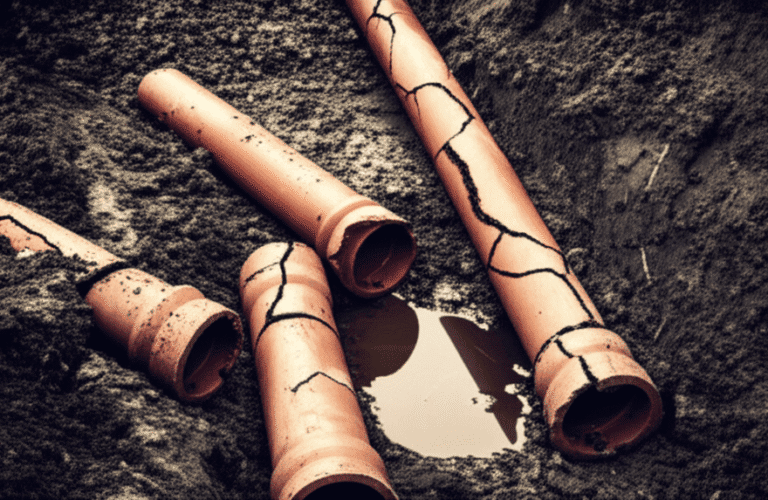
Sewer line repairs often sneak up after years of slow damage. One strange problem appears, and then another follows, like a domino effect revealing a bigger issue deep in the main sewer line. Catching these early signs means avoiding nasty surprises and huge repair costs down the road. Knowing what to watch for keeps the home safe and sound, making the whole process less stressful. Homeowners who pay attention to these clues save time, money, and a lot of hassle—so keep an eye out before small problems turn into big disasters.
This article walks through the common signs that indicate sewer lines need repair, the typical causes, how technicians diagnose problems, repair options and realistic cost ranges, and practical steps to lower the chance of a major failure. The goal is to give clear, usable information so you can spot trouble early and take the right steps to protect your home and property.
Common signs that indicate sewer lines need repair
Sewer line problems rarely start with a loud bang. Most of the time the first indications are subtle and easy to miss. Pay attention to these warning signs and act when two or more appear at once.
- Persistent sewage odor inside or outside the house that does not go away after cleaning
- Repeated or widespread drain backups affecting more than one area of the house
- Slow draining sinks, tubs and toilets throughout the home rather than in a single fixture
- Unexplained wet patches in the yard, especially near the sewer line path
- Sinkholes, depressions or spongy soil above the buried pipe
- Tree roots visible in floor drains or coming up through cleanouts
- Gas bubbles in fixtures or unusually lush vegetation in one part of the yard
One strong indicator that major repair is needed is when multiple drains back up at the same time. That usually means the blockage is in the building sewer or the main line leaving the property.
Typical causes of sewer line damage
Understanding common causes makes it easier to prevent future issues. Some causes happen suddenly, while others develop over decades.
- Aging pipes and material failure, such as corroded cast iron or cracked clay
- Soil movement and settling that shifts pipe joints and creates leaks
- Tree root intrusion seeking moisture and nutrients inside pipe joints
- Poor installation or incorrect slope that leads to buildup and recurring clogs
- Heavy loads above ground from vehicles or construction that crush older pipes
- Grease, wipes and other nonflushable items that clog pipes and attract roots
- Corrosion from chemical exposure or hard mineral content in wastewater
Pipes made from different materials have different expected lifespans. PVC and modern plastics often last many decades. Cast iron and galvanized steel commonly show problems after five to seven decades. Clay and concrete may also last decades when conditions are stable. Local soil conditions and water chemistry affect longevity more than any fixed number.
How technicians diagnose sewer line problems
Accurate diagnosis avoids unnecessary digging and gives a clear plan of action. Professionals use a sequence of inspections and tests to locate the problem and decide which repair method fits best.
Camera inspection details
A camera inspection is the most common first step. A flexible cable with a video camera is pushed through the pipe while a technician watches a live feed. That allows identification of cracks, root intrusion, collapses, blockages and joint separation. The recorded footage is useful for comparing before and after work.
Pressure and smoke tests explained
Pressure tests find leaks by temporarily increasing pressure in the sewer line and checking whether it holds. Smoke tests introduce a non toxic smoke and reveal locations where smoke escapes. These tests are helpful when the camera cannot pass through a collapsed section or when the problem appears intermittent.
Other tools include dye testing to follow flow patterns and ground penetrating radar for locating buried structures. The right combination of tools reduces the risk of surprise expenses during repair.
Repair options and when each method makes sense
There are several repair techniques for sewer lines. The best choice depends on pipe condition, depth, access and budget.
- Spot repair that replaces a single damaged section, best for localized problems and when the rest of the pipe is in good condition
- Pipe lining also called cured in place pipe, where a resin saturated sleeve is cured inside the old pipe to form a new wall, useful when the pipe is continuous but leaking or corroded
- Pipe bursting which fractures the old pipe while pulling a new pipe into place, an option when a full diameter replacement is needed with minimal trenching
- Full trench replacement where the entire line is dug out and replaced, recommended when extensive collapse or multiple failures exist
Cost examples are highly variable by region and complexity. Small spot repairs may range from several hundred to a few thousand dollars. Trenchless lining is often priced by linear foot and might range from mid double digits to low triple digits per foot. Full replacement can range from several thousand to tens of thousands depending on distance, depth and restoration of landscaping or pavement.
Choosing a repair method is a balance between upfront cost, expected life span and property disruption. For instance pipe lining restores structural integrity without removing landscaping, while full replacement addresses multiple weak spots but requires more disturbance.
Preventive maintenance tips to reduce the chance of major repairs
Regular maintenance can delay the need for major repair and lower lifetime costs. These steps help protect the sewer line and spot problems early.
- Schedule periodic inspections with a camera, especially for older properties or if you have large trees near the sewer line
- Avoid flushing wipes, grease, coffee grounds and large food particles that build up inside pipes
- Direct landscape irrigation away from sewer line trenches to reduce the chance of eroding soil and shifting pipes
- Plant trees at a safe distance from sewer lines and choose species with nonaggressive roots
- Install a cleanout if one is not present to give technicians easy access for snaking and inspections
- Monitor water bills for unexplained increases that could mean a hidden leak
A simple habit such as keeping a jar in the kitchen for grease disposal can go a long way. Another helpful move is replacing old cast iron laterals near the street when doing other upgrades, because mixing materials increases complication in future repairs.
Common questions homeowners ask about sewer line repair
Homeowners typically worry about timing, costs and disruption. Here are clear responses to frequent concerns.
How soon should I act after noticing signs
Acting quickly reduces the chance of a small problem becoming a major one. If you notice more than one sign on the list above schedule a diagnostic inspection within days rather than weeks. Left unattended a minor leak can wash out soil and create sinkholes or structural problems.
Will insurance cover sewer line repair
Standard home insurance rarely covers maintenance related failures. Coverage depends on the policy, the cause of the failure and local riders for service line protection. Review your policy and talk to your insurer about options that match your risk profile.
How to choose the right contractor for sewer line repair
Picking the right contractor matters. Look for a company with camera inspection capability, clear pricing, references and proof of licensing and insurance. Ask for a written estimate that lists options, expected life span for the fix and cleanup responsibilities.
One practical tip is to ask for the camera footage prior to any work. That footage serves as documentation of the problem and helps compare different proposals. Also request a comparison of repair options in writing so you can make an informed choice based on costs, disruption and expected longevity.
If you live in the Southlake area consider local providers who understand soil conditions and municipal regulations. For example a trusted local resource for inspections and repairs is Berkeys sewer line repair which offers camera diagnostics and several repair methods suited to residential needs.
Another practical question concerns guarantees. Good contractors will offer a warranty on workmanship and parts. Confirm whether the warranty covers only the repaired section or extends to related services such as restoration of landscaping or paving.
Finally, plan for logistics when major work is needed. Expect some disruption if a full trench is required and schedule landscaping or driveway repairs with that timeline in mind. Trenchless methods can limit disruption but may not be suitable for every situation.
When sewer lines need repair the right approach minimizes damage to property, reduces long term costs and restores reliable wastewater flow. Early recognition of symptoms, informed diagnostic testing, and a careful choice among repair options are the practical steps that protect your investment. If you see signs of trouble schedule an inspection, get multiple quotes, compare warranties and pick a contractor who provides clear documentation and a reasonable plan for restoring the line and the surface above it. Acting early often saves money and prevents safety hazards. Call a qualified local professional to get the situation assessed and to receive a written repair plan that fits your home and budget.