Howard Sullivan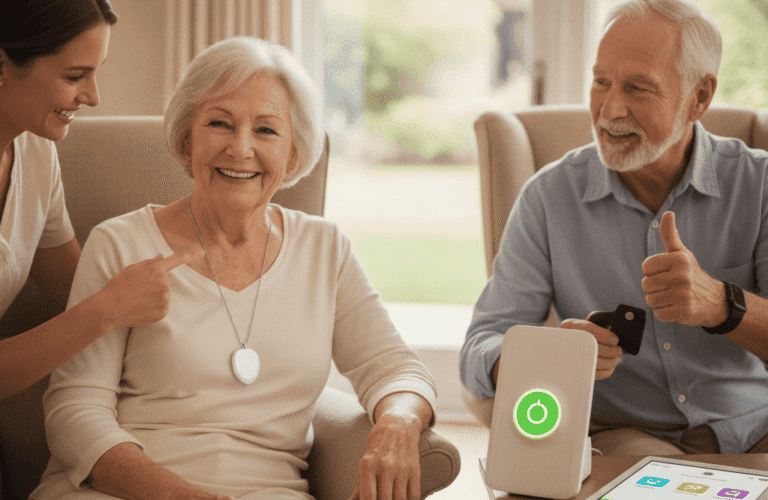
As we age, maintaining independence becomes a top priority for many seniors. I have seen firsthand how much peace of mind a simple device can provide, not just for the individual but for their worried family members too. Medical alert systems for seniors made easy are about more than just technology. They are about allowing loved ones to live life fully with a strong safety net in place.
Living independently should not come at the expense of safety. Accidents happen, and a fall or a sudden health event can quickly turn a normal day into an emergency. That is why choosing the right medical alert system is a critical decision. I aim to simplify this process, offering clear explanations and practical advice to help you find the best solution for your needs.
The goal is to empower seniors to live confidently in their own homes. These systems offer immediate access to help, ensuring that a small incident does not escalate into a serious crisis. I want to guide you through the options, making sure you understand how these systems work and what benefits they bring to daily life.
Understanding What Medical Alert Systems Offer for Seniors
Medical alert systems are designed to provide rapid assistance in emergencies. At their core, these systems connect a user to a monitoring center with the push of a button. This connection ensures help is always just moments away, giving many seniors and their families great comfort.
The main component is usually a wearable device, like a pendant or a wristband, and a base unit in the home. When an emergency happens, pressing the button on the wearable or the base unit sends an alert. This immediately contacts a trained operator who can assess the situation and dispatch appropriate help.
These systems are vital for individuals who live alone, or for those with health conditions that increase their risk of falls or medical events. I always tell people that it is not about fearing the worst. Instead it is about being prepared and knowing that support is readily available. The technology is there to support a lifestyle of independence.
Think about the simple yet profound benefits. A senior can confidently go about their daily routines, knowing that if they slip in the bathroom or feel sudden chest pain, help will come. Family members, who might live far away, also get a much needed sense of security. They know their loved one has a direct line to assistance whenever it is needed.
The Core Functionality of Alert Systems
The functionality of a medical alert system is built on simplicity and reliability. Most systems use a two-way communication feature, so the user can speak directly with the monitoring center operator through the base unit. This allows for clear communication during stressful times, because the operator can quickly understand what is happening and what kind of help to send.
Many systems also offer advanced features like automatic fall detection. This is especially helpful for seniors who might be unable to press a button after a fall, because they could be unconscious or injured. The fall detection technology uses sensors to recognize a sudden change in position and motion, automatically alerting the monitoring center. It acts as an extra layer of protection, something I find truly reassuring.
Different Types of Medical Alert Systems Available
The market for medical alert systems has grown quite a bit, offering various options to suit different lifestyles. We generally categorize them into two main types: in-home systems and mobile systems. Each has its own strengths and is designed for specific needs.
In-home medical alert systems are traditional and widely used. They typically consist of a base unit that connects to a landline or a cellular network, and a wearable button. These systems work well for seniors who spend most of their time at home and in their yard. The range of the wearable button can vary, so it is important to check if it covers all areas of the house and immediate outdoor spaces.
Mobile medical alert systems are for active seniors who are often out and about. These devices are smaller, portable, and often include GPS tracking. This means help can be located even if the user is at the grocery store, on a walk, or visiting friends. I find these systems to be a game-changer, because they extend the safety net beyond the walls of a home, providing freedom and confidence.
Some systems combine elements of both. For instance, a mobile device might also function as an in-home base unit. This offers flexibility, allowing users to transition seamlessly between being at home and being away. Understanding these different types is the first step in making an informed choice for your specific situation.
Choosing Between At-Home and Mobile Options
Deciding between an at-home or a mobile system largely depends on a senior’s daily activities and independence level. If a person rarely leaves their home, a landline or cellular in-home system might be perfectly adequate and more cost-effective. These systems are simple and reliably cover the house.
However, if a senior enjoys an active social life, runs errands, or travels, a mobile medical alert system is usually the better choice. The GPS feature in mobile units is key, as it allows emergency responders to pinpoint the user’s location, even if they cannot speak. This adds a layer of security that traditional in-home systems cannot match when outside the home.
I always advise families to consider how the system fits into their loved one’s everyday life. It is not just about protection inside the house. It is about extending that protection wherever life takes them. This thoughtful consideration helps in choosing medical alert systems that truly support an independent and confident lifestyle.
Key Features to Look for in Medical Alert Systems
When you are considering medical alert systems for seniors, looking at specific features is very important. I often focus on several key aspects that truly make a difference in an emergency. These features help ensure the system is effective and reliable when it matters most.
First, 24/7 monitoring is non-negotiable. An emergency can happen at any time, day or night, so continuous professional monitoring provides constant support. This means a trained operator is always ready to respond, no matter when a button is pressed. This round-the-clock coverage provides immense peace of mind for everyone involved.
Next, two-way communication directly through the device is crucial. Being able to speak with the monitoring center operator, even if you are not near the base unit, ensures help is accurate. I find this feature especially helpful during falls or situations where moving to the base unit is not possible. Clear communication allows for quicker and more precise assistance.
Many seniors are concerned about falls in the bathroom, so a waterproof device is a practical and necessary feature. Showers and baths are common places for accidents, so having a pendant that can be worn in water ensures continuous protection. This is a small detail that offers a big safety advantage, because it covers a very vulnerable time.
Additional Features for Enhanced Safety
Beyond the core functions, other features enhance the value of a medical alert system. A long-lasting battery life for wearable devices is essential. You want a device that can go for days without needing a recharge, so it is always ready. This prevents gaps in coverage that could happen if a senior forgets to charge their device regularly.
For mobile systems, GPS tracking is absolutely vital. This technology allows emergency services to pinpoint the user’s exact location, which is a lifesaver if they are disoriented or unable to communicate their whereabouts. I strongly recommend GPS for any senior who spends time outside their home, because it significantly expands their protected area. It means they can maintain their active life without family members constantly worrying about their location.
Some systems also offer features like medication reminders or activity monitoring. While these are not strictly emergency response features, they can contribute to overall well-being and health management for seniors. I believe looking at all these features helps in choosing a system that supports a senior’s entire lifestyle and safety needs comprehensively.
The Importance of Reliable Monitoring and Response
The heart of any medical alert system lies in its monitoring and response capabilities. I always emphasize that the technology is only as good as the human element behind it. A robust monitoring center with well-trained professionals makes all the difference when seconds count.
Most reputable medical alert services use professional monitoring centers that operate 24/7. These centers employ operators specifically trained to handle emergency situations. They follow established protocols, contacting family members or emergency services as needed. This professional touch means you get an expert response every time, not just someone who might panic.
Contrast this with systems that rely solely on family contacts. While family involvement is important, it is not always feasible for a family member to be available immediately. They might be at work, asleep, or unable to respond quickly. A professional monitoring service ensures there is always a dedicated, trained individual on the other end, ready to act.
Response times are another critical factor. A good monitoring service will boast rapid response times, meaning an operator connects with the user almost immediately after an alert is received. This speed is vital, especially in situations like a stroke or severe fall, where quick intervention can prevent long-term damage or even save a life. I believe this swift response is what truly makes these systems invaluable.
What Makes a Monitoring Center Trustworthy?
To assess the reliability of a monitoring center, I look for specific indicators. Certifications from recognized bodies like the Underwriters Laboratories (UL) or the Electronic Security Association (ESA) demonstrate adherence to high industry standards. These certifications show a commitment to quality and safety that gives me confidence.
Another aspect is the operator’s training. Operators should undergo extensive training in emergency protocols, including how to handle various medical situations and communicate effectively with distressed individuals. They should also be skilled in dispatching the correct emergency services, whether it is an ambulance, fire department, or police. I want to know that the person on the other end understands the urgency and knows exactly what steps to take.
Finally, consider backup systems. A truly reliable monitoring center will have redundant power sources and multiple physical locations. This ensures uninterrupted service even during widespread power outages or natural disasters. These behind-the-scenes measures are crucial for maintaining continuous support, proving that the service is prepared for anything.
Considering Cost and Coverage Options for Seniors
When looking at medical alert systems for seniors, understanding the costs involved and available coverage options is a big step. I know that budget is a real concern for many families, so finding a system that provides both safety and affordability is key. It is not just about the upfront price, but also the ongoing fees and potential reimbursement.
Most medical alert systems involve a monthly monitoring fee. This fee covers the 24/7 access to the monitoring center and the maintenance of the service. Some companies also charge for the equipment itself, either as a one-time purchase or as an activation fee. I always advise asking for a clear breakdown of all costs before signing up, so there are no surprises down the line.
It is important to inquire about contracts and cancellation policies. Some providers require long-term commitments, while others offer flexible month-to-month plans. I prefer providers with more flexible terms, because circumstances can change. Understanding these financial aspects helps ensure the system remains sustainable for the long term.
Many people wonder if insurance will cover these systems. Medicare generally does not cover medical alert systems, as they are often considered personal convenience items rather than direct medical necessities. However, some Medicare Advantage plans or private health insurance policies might offer partial reimbursement or discounts. It is always worth checking with your specific insurance provider to see what coverage might apply.
Making the Investment Worthwhile
While costs are a factor, I view a medical alert system as a valuable investment in safety and independence. The peace of mind it offers can be priceless. Think about the potential costs of an untreated injury after a fall, or the stress of constantly worrying about a loved one living alone. These systems can prevent more serious and expensive medical events, effectively paying for themselves in avoided healthcare costs and reduced anxiety.
Additionally, state programs or local senior services might offer financial assistance or subsidies for medical alert systems. Veterans’ benefits can also sometimes cover these expenses. I recommend exploring all these avenues to help offset the cost, because there are often resources available that people do not know about. A bit of research can uncover significant savings, making a top-quality system more accessible.
Ultimately, the goal is to find a system that fits your budget without compromising on the critical features needed for reliable emergency response. I encourage families to weigh the costs against the benefits of enhanced safety, autonomy, and emotional security. This balance often leads to a clear decision that prioritizes well-being.
Installation and Ease of Use for Seniors
One of the biggest concerns for seniors and their families regarding medical alert systems is how easy they are to set up and use. I believe that if a system is complicated, it defeats the purpose of providing quick help. So, I look for solutions that offer straightforward installation and intuitive operation.
Most modern medical alert systems are designed for simple self-installation. This usually involves plugging in a base unit, which then connects wirelessly to the wearable device. Providers often include clear instructions, and many offer phone support to walk you through the process. I appreciate companies that minimize the technical hurdles, because it makes the whole experience much less intimidating for seniors.
The wearable devices themselves must be comfortable and easy to wear daily. Options include lightweight pendants that can be worn around the neck and wristbands that resemble watches. It is important that these devices do not get in the way of daily activities, ensuring they are worn consistently. If a device is uncomfortable, a senior might take it off, and then it cannot help in an emergency.
Using the system in an emergency should be as simple as pushing a single button. I look for devices with large, clearly marked buttons that are easy to press, even with shaky hands or impaired vision. The goal is to eliminate any confusion when fast action is necessary. A complicated interface could delay vital help, which is something we definitely want to avoid.
Ensuring Daily Comfort and Reliability
For seniors, consistent wearing of the device is essential. This means choosing a device that is not just easy to use, but also comfortable to wear all the time. I have found that devices designed to blend into daily life, perhaps looking like a regular piece of jewelry or a watch, are more likely to be worn without complaint. Style can even play a role in acceptance.
Testing the system regularly is also a crucial part of ensuring its reliability. Most providers have a simple test procedure, often involving pressing the button and speaking to an operator, then explaining that it is just a test. I always recommend doing this monthly, because it confirms that the device is functioning correctly and that the connection to the monitoring center is strong. This routine check builds confidence in the system’s ability to perform when it is truly needed.
Ultimately, the best medical alert system is one that a senior feels comfortable with and uses consistently. Ease of installation, user-friendly design, and regular testing all contribute to a reliable safety solution that supports an independent lifestyle. This focus on simplicity ensures that help is always accessible, giving everyone peace of mind.
Making Medical Alert Systems for Seniors Made Easy a Reality
Making medical alert systems for seniors truly easy is not just about the technology itself. It is about integrating these tools smoothly into daily life, offering peace of mind to seniors and their families. I have seen how the right system can transform a fearful existence into one filled with confidence and continued independence. We looked at how these systems offer crucial support, from simple button presses to advanced fall detection, ensuring help is always within reach. The diverse options, whether for home-bound individuals or active explorers, mean there is a solution for nearly every senior. Understanding features like 24/7 monitoring and two-way communication shows us what makes these systems truly effective. When we also factor in clear costs and accessible installations, the path to enhanced safety becomes clear. I encourage you to take the next step. Research the options that best fit your needs or those of your loved one, and choose a system that simplifies safety and empowers independent living. Do not wait for an emergency to realize the benefits of such a vital tool. Invest in peace of mind today.