Howard Sullivan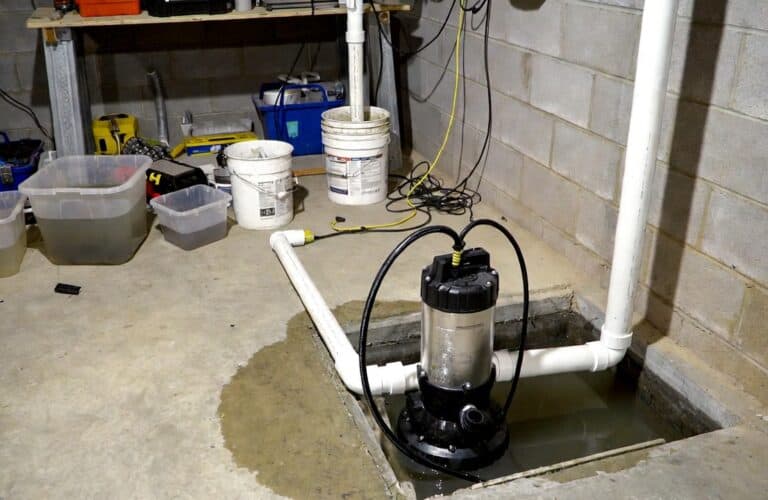
Basements and crawl spaces boost your home’s space and storage but sit at the lowest spot, making them easy targets for water. A broken or poorly installed sump pump can cause big damage and surprise bills. Hiring a pro for sump pump installation saves headaches and protects your home. Learning why expert help matters shows what to expect and when to call in the pros. This knowledge keeps your space dry and your wallet safe—keep reading to find out how to avoid costly mistakes.
This article lays out practical reasons to choose licensed installers over DIY methods. I will cover specific advantages including system longevity, correct sizing, electrical and code compliance, warranty protection, and routine maintenance guidance. Throughout you will find examples and tips that make the decision clear for those who want a reliable waterproofing strategy.
Why proper sump installation matters for your home
A sump pump that is installed correctly will manage rising groundwater and keep your living spaces dry. When installed poorly the pump can cycle too frequently, fail during heavy storms, or allow sediment to clog the intake. These problems often lead to mold growth, ruined belongings, and structural damage.
Correct placement, the right basin size, and proper discharge routing are among the details that matter most. Professionals understand how to match a system to your property conditions so the pump operates only when needed and lasts for many years.
Guaranteed correct sizing and system selection
Choosing the wrong pump is a common DIY mistake. Pumps that are too small will not cope with heavy inflow. Pumps that are excessively large may short cycle which shortens motor life. Professionals calculate the needed capacity using factors such as local groundwater level, soil type, home elevation, and the speed at which water must be moved away.
Examples of the choices a pro will make
- Selecting single or dual pumps when redundancy is needed
- Choosing battery backup or water powered backup for power outage protection
- Picking pump switches that are reliable for your specific basin depth and inflow pattern
Electrical work and safety handled by trained installers
Safe wiring and proper outlet placement are essential to avoid shock or a burned out pump. A licensed installer connects the pump to a dedicated circuit and uses wiring methods that resist moisture exposure. They also size float switches and alarms so that electrical components react correctly to rising water.
Why electrical expertise matters
Improper electrical connections are a fire risk. A professional installer follows local electrical guidelines and applies moisture resistant fittings where needed. If your home has older wiring a technician can recommend upgrades that protect both the pump and household circuits.
Backup power options and testing
When a storm brings heavy rain the power may fail. Professionals can recommend and install battery backups or secondary pumps that activate when the primary system cannot run. They also perform on site testing that simulates a power loss so you know the system will function during an emergency.
Compliance with local codes and permit handling
Municipal codes can dictate how and where discharge lines run. A professional installer knows common local requirements and obtains necessary permits. This protects you from fines and makes selling the property simpler because records show the work was done by a licensed tradesperson following regulations.
For homeowners who prefer local expertise one helpful resource is a local service that specializes in sump pump work. If you are in the Winter Garden area you can find reliable help by contacting Plumber Winter Garden FL for an inspection and estimate.
Long term warranty coverage and manufacturer relationships
Manufacturers often require professional installation for full warranty coverage. If a pump is installed incorrectly by a homeowner the warranty may be voided. Licensed installers work with trusted brands and can register equipment so you receive the intended warranty protection.
Additionally contractors commonly offer service guarantees. That means if installation issues occur within an agreed period the company will make corrections. This added protection can save significant expense compared to repairing an incorrectly installed system.
Maintenance programs that extend pump life
Routine maintenance keeps a sump pump reliable over many seasons. Professionals provide scheduled inspections that check floats, discharge lines, check valves, and the motor. They also remove sediment from basins and confirm alarm systems are functional.
What to expect from a maintenance visit
- Visual inspection for rust or damage
- Testing of pump operation under load
- Cleaning of inlet screens and basin
- Verification of backup system readiness
DIY checks you can perform between service calls
There are a few simple checks homeowners can do. Lift the float to verify the pump turns on and returns to off position. Listen for unusual noises while it runs. Inspect the discharge pipe for blockages. These small checks reduce the chance of surprise failures but they do not replace professional servicing.
Common DIY pitfalls and how professionals avoid them
Many homeowners try a weekend install only to find it fails under the first big storm. Common pitfalls include incorrect float switch placement, improper venting of discharge lines causing siphon issues, and lack of proper check valves which can allow water to flow back into the basin.
Professionals avoid these errors by following a sequence of checks. They confirm the basin is level, the pump sits on a stable base, and the discharge line has a slope away from the home. They test the entire system under conditions that simulate heavy rainfall so any issue can be fixed before it becomes a problem.
Cost considerations and return on investment
Professional installation carries an upfront cost that can be higher than a DIY approach. However the investment often pays off through reduced repair bills, fewer emergency service calls, and preserved property value. Consider the replacement cost of damaged flooring, walls, and stored items when comparing initial installation costs.
- Replacement of finished flooring and drywall can be several thousand dollars
- Faster professional installs reduce the time a home is exposed to water damage
- Proper installation limits recurring service calls that raise total cost over time
When calculating value factor in warranty coverage, the lifespan difference between correctly sized and poorly installed pumps, and the peace of mind that comes from having a documented professional job. These elements create a stronger financial case than simple upfront cost comparisons.
Questions to ask before hiring a sump pump installer
You should ask about licensing, insurance, references, and the brands they install. Check whether the company issues a written estimate and includes a scope of work that lists components and warranty terms. Ask for examples of past installations similar to your situation and whether they offer ongoing maintenance plans.
Another helpful question is how the installer handles backups and power outages. A quality professional will describe options including battery backups and water powered backups and explain repair timelines in case of a failure.
Conclusion
Professional sump installation offers clear advantages for homeowners who want to protect their property from water damage. A trained installer brings correct sizing, safe electrical work, code compliance, warranty protection, and maintenance plans that keep a system working year after year. These benefits reduce the risk of costly water damage and often save money in the long run when you consider repair and replacement costs for finished spaces.
If you are weighing DIY against hiring a professional consider the complexity of your site and your comfort with electrical and plumbing tasks. For many homeowners the most sensible path is to hire a licensed technician who can evaluate the property, recommend the right system, and provide follow up service. That step gives you documented work and support should problems occur.
Ready to protect your basement or crawl space with a properly installed sump pump contact a local licensed installer for an inspection. Ask for a written proposal that explains the equipment, the installation steps, and the warranty terms. Scheduling an expert evaluation today is the best way to reduce worry during heavy rain and protect your home investment.