Howard Sullivan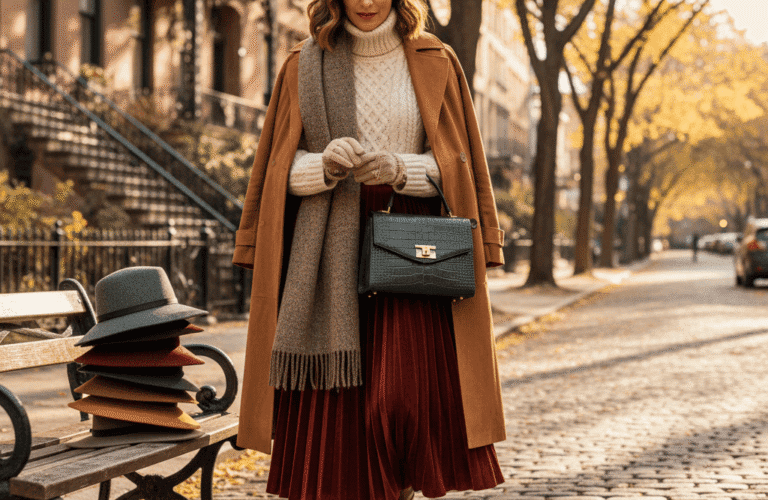
When the air turns chilly and leaves change their colors, texture takes center stage in fall fashion. Adding textured fabrics gives plain outfits a fresh, thoughtful vibe and makes simple clothes pop. Learning to mix touchable fabrics and layers creates cozy, eye-catching looks perfect for autumn’s mood. People who love expressing themselves through clothes will find new ways to stand out. Keep reading to unlock tricks that turn everyday outfits into season-ready statements.
Whether you prefer quiet neutrals or richer tones, small changes in material or surface detail can change the mood of an outfit. Read on for practical tips, fabric recommendations, outfit examples, and care advice so your textured pieces last and continue to read as intentional style choices.
Why textured garments matter for autumn style
In cooler months texture performs three useful functions. First, it adds visual depth so monochrome palettes avoid looking flat. Second, textured materials often trap air which increases warmth without adding bulk. Third, tactile interest invites contact, making pieces feel more luxurious and comfortable when worn.
Consider a wool blazer paired with a rib knit sweater. The blazer gives structure, the knit adds softness and movement, and together they read as more sophisticated than either piece on its own. That contrast is what makes textured elements so effective for seasonal dressing.
Key fabrics that define textured elegance for fall
Choosing the right fabrics is a foundational step. Aim for a mix that offers contrast across weight, sheen, and hand feel. Here are reliable options to include in your wardrobe.
- Wool and wool blends provide warmth and a matte, structured appearance.
- Tweed introduces flecks of color and a nod to heritage tailoring.
- Corduroy gives vertical ridges that add casual refinement.
- Knits range from fine Merino to chunky cable and are indispensable for layering.
- Suede and nubuck offer a soft, velvety surface that reads rich without shine.
- Faux fur and shearling are effective for collars, trims, and statement outerwear.
- Leather supplies structure and contrast when paired with softer knits.
How to mix fabrics for balanced looks
To keep combinations pleasing, follow a simple rule. Pair one structured fabric with one soft fabric. For example pair a leather jacket with a cashmere sweater or a tweed skirt with a ribbed knit top. This approach maintains visual interest while preventing any single texture from overwhelming the outfit.
Building layered looks that play with texture
Layers are where texture truly shines. Start with a thin base layer, add a midweight piece for warmth, and finish with a statement outer layer. Varying lengths helps maintain dimension while avoiding bulk.
- Base layer ideas, thin enough to fit comfortably under other pieces, include modal tees, silk camisoles, and lightweight cotton shirts.
- Mid layers should introduce texture such as a chunky knit, a quilted vest, or a waist-length suede jacket.
- Outer layers can be long coats, shearling jackets, or structured wool overcoats that frame the ensemble.
Proportion tips for layered outfits
Keep balance in mind. If your outer layer is oversized, choose slimmer silhouettes underneath. Conversely, a fitted coat can be offset by an oversized scarf or a chunky knit. Play with lengths using a long coat over a cropped sweater or a knee-length skirt over thick tights to keep the eye moving.
Pattern, color, and texture in harmony
Patterns and texture work together when you keep contrast and scale in mind. Large checks or plaids are best paired with smaller scale knits or subtle solids. When mixing multiple patterns, limit the palette to two or three colors to reduce visual competition.
Color choices help textures read differently. Neutrals such as camel, gray, and olive highlight surface detail, while saturated shades like rust, forest green, and navy underscore seasonal warmth. Tonal layering where several shades of the same color are combined creates a sophisticated, cohesive look.
Accessories that add textured interest to outfits
Accessories are an efficient way to introduce texture without a major wardrobe investment. Scarves, hats, and bags in textured materials can transform a simple base outfit.
- Scarves in cashmere, ribbed wool, or chunky knits provide immediate warmth and visual focus.
- Hats such as a knit beanie or a felt fedora frame the face and add a finishing touch.
- Belts in suede or woven leather can break up long lines and add tactile contrast.
- Bags in textured leather, quilted fabric, or brushed suede offer surface interest that complements clothing textures.
These elements are also a good place to test a trend without committing to a full garment. Swap accessories seasonally to keep existing pieces feeling current.
Outfit ideas for different fall occasions
Practical looks work best when they respond to the activity and setting. Below are several ideas that use texture in purposeful ways.
Weekend casual
Start with a ribbed knit sweater, layer a corduroy overshirt, and finish with slim jeans and suede ankle boots. Add a chunky knit scarf for extra warmth and to introduce another surface that moves well with the body.
Office ready
Combine a fine gauge wool blazer with a silk blouse and a pencil skirt in tweed or ponte fabric. Choose a leather tote and low heeled boots to ground the outfit. This mix keeps things professional while letting texture provide personality without loud patterns.
Evening out
Opt for a faux fur trimmed coat over a satin top and high waisted trousers. Keep jewelry minimal so textures are the focus. A pair of velvet pumps or a suede clutch will tie the look together without competing visually.
For curated seasonal resources, check a reliable guide on fall fashion to see visuals and step by step outfit breakdowns that expand on these ideas.
Practical maintenance for textured pieces
Many textured fabrics need specific care to keep their look and feel. Follow garment labels closely and use a gentle approach when cleaning and storing textured items.
- Brush suede and nubuck regularly with a soft brush to remove dirt and restore nap.
- Use a lint remover or fabric shaver on knits to manage piling, taking care with delicate yarns.
- Store heavy knits folded to avoid shoulder distortion, while lighter textured jackets can hang on wide padded hangers.
- Spot clean spills promptly on suede and velvet, and for stubborn stains consult a professional cleaner with experience in delicate fabrics.
Minor repairs such as reattaching a button or tightening a seam can extend wear and keep pieces looking intentional. A small repair kit at home is a useful investment.
Shopping guidelines for long lasting textured pieces
When selecting new items keep longevity and versatility in mind. Prioritize neutral textures for frequent use and reserve trendier textures for accents. Fit is crucial because texture can add perceived volume. Try pieces on with other layers you own to ensure comfortable movement and compatible proportions.
- Inspect seams and linings for quality construction before purchase.
- Check for consistent dye and finish, especially on leather and suede where variations can be noticeable.
- Consider natural fibers for breathability, and blended fabrics when you want easier care.
As you plan seasonal outfits aim to build combinations that you can repeat with small changes. A few well chosen textured pieces will increase variety and give your wardrobe a cohesive voice without needing a large number of items.
To summarize, focus on pairing structured and soft fabrics, pay attention to proportions in layered looks, choose accessories to introduce texture economically, and follow proper care methods to preserve tactile quality. Try one new textured piece each season and test how it integrates with what you already own. If you like hands on inspiration, sketch a few outfits using textures you own and mix components until you find combinations that feel right.
Textures bring warmth and personality to autumn wardrobes and they are accessible to any style. Start small by adding a scarf or a textured coat, notice how it changes the feel of familiar outfits, and build intentionally from there. If you want further guidance, review outfit photos or keep a small style journal to track combinations that work. Try these tips this season and take action by choosing one textured piece to wear next week. When you update a single item you often see many fresh outfit possibilities, so pick something that appeals to your senses and wear it with confidence.